
Texas A&M University isn’t just a school; it’s a whole vibe, a tradition, and a little slice of Texas pride all rolled into one. Nestled in the vibrant heart of College Station, this institution stands as a beacon for aspiring Aggies and curious minds alike. If you’re wondering where to find this academic powerhouse, just look for the giant bonfire – it’s hard to miss!
With a campus sprawling over 5,200 acres, Texas A&M is more than just a pretty face in the Lone Star State. It’s a place where innovation meets tradition, and where students swap their boots for textbooks. So grab your cowboy hat and let’s dive into the details of this iconic university’s location, because you wouldn’t want to miss out on the Aggie spirit, would you?
Overview Of Texas A&M University
Texas A&M University stands as a significant academic institution within the heart of College Station, Texas. This renowned university, established in 1876, emphasizes education, research, and service. Students experience an engaging academic environment on the sprawling 5,200-acre campus, which features cutting-edge facilities alongside historic landmarks.
Various programs span multiple disciplines, offering over 130 undergraduate degrees and more than 170 graduate offerings. The university excels in fields such as engineering, business, and agriculture, attracting a diverse student body from all 50 states and over 100 countries.
Social life pulses vibrantly at Texas A&M, where traditions play a crucial role. The Aggie Spirit defines the campus atmosphere, seen during events like the Midnight Yell and the revered Bonfire. Opportunities for involvement abound, with more than 1,000 student organizations catering to varied interests and passions.
Notable athletic programs contribute to the university’s popular culture, with the Texas A&M Aggies competing in the Southeastern Conference. Spectators gather to cheer on their teams at Kyle Field, the largest stadium in Texas. The sense of community at Texas A&M fosters a supportive environment conducive to personal growth and academic success.
The university’s commitment to research is evident in its status as a land-grant institution. Texas A&M engages in groundbreaking studies across multiple fields, contributing solutions to global challenges. This focus on innovation ensures that graduates leave well-prepared for future careers and leadership roles.
Geographic Location
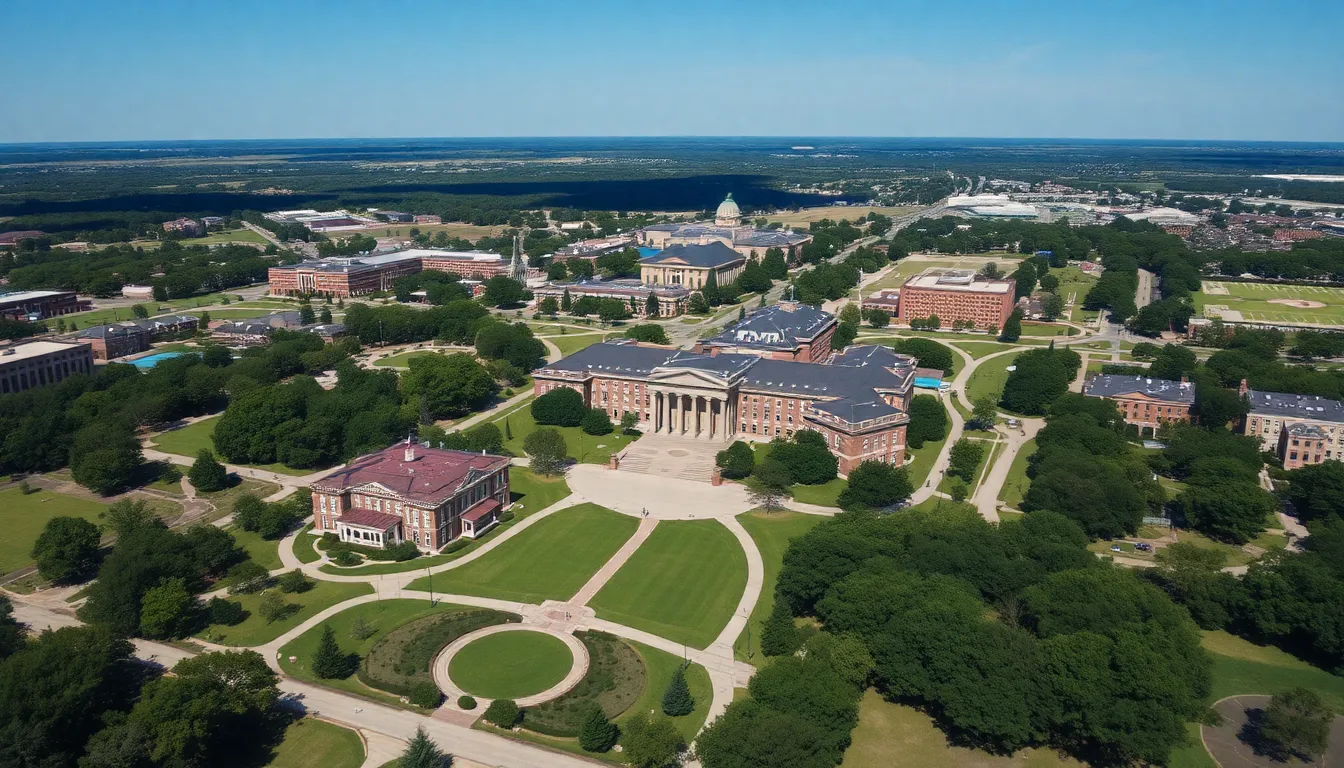
Texas A&M University is situated in College Station, Texas, a key region known for its educational institutions. The campus, which spans about 5,200 acres, provides ample space for various academic and recreational facilities.
Main Campus in College Station
College Station hosts the main campus of Texas A&M University. This central location offers a blend of academic excellence and community engagement. Accessibility is a hallmark, with major highways facilitating travel from nearby cities like Houston, Austin, and Dallas. The campus environment fosters collaboration among students and faculty, enhancing the learning experience. Numerous facilities support the diverse programs offered, particularly in engineering, business, and agriculture.
Additional Campuses
Texas A&M operates several additional campuses across the state. Locations in Galveston and Qatar enhance its educational reach, providing specialized programs and research opportunities. The Galveston campus focuses on marine and maritime studies, while the Qatar campus specializes in engineering disciplines. Each site plays a significant role in extending the university’s mission beyond College Station. Collaborative opportunities enrich the learning environment, allowing students to engage in global contexts.
Historical Context
Texas A&M University boasts a rich historical background that reflects its commitment to education and service. Founded in 1876 as the Agricultural and Mechanical College of Texas, it opened as the state’s first institution of higher education.
Founding and Development
The university’s original mission centered on agricultural and mechanical education, aligning with the Land-Grant Act of 1862. Early enrollment included a modest group of cadets, emphasizing military training in tandem with academic pursuits. The establishment of a strong academic framework allowed Texas A&M to expand its educational offerings.
Growth Over the Years
Throughout the decades, Texas A&M flourished in response to the growing demands of society. Enrollment surged past 50,000 students by the 2010s, reflecting its increasing appeal. Major advancements in research facilities and program expansion contributed to its national reputation. Today, Texas A&M remains a leader in various fields, consistently adapting to meet the needs of its diverse student body.
Accessibility and Transportation
Texas A&M University in College Station features excellent accessibility options for students and visitors. Its strategic location enhances connectivity with major urban centers.
Major Highways and Roads
Major highways provide convenient access to Texas A&M. Highway 6 runs close to the university, connecting it to Houston and other significant destinations. U.S. Highway 79 additionally links College Station with nearby towns and cities. Route 30 offers a direct path to Bryan, improving local travel. Drivers benefit from well-maintained roads and clear signage, facilitating smooth navigation to the campus. These highways support regional travel while accommodating high traffic volumes, ensuring timely arrival for both students and guests.
Public Transportation Options
Public transportation options serve the Texas A&M community effectively. The Bryan-College Station Public Transportation system operates buses that frequently connect various campus locations, ensuring students easily reach their classes and activities. Additionally, students enjoy free rides on the shuttle system, enhancing accessibility across the university. Local ride-sharing services such as Uber and Lyft provide flexibility for students when traveling off-campus. The proximity of bus stops to major academic buildings and student areas fosters convenience for daily commuting. Overall, public transportation simplifies access to the vibrant life surrounding Texas A&M.
Attractions Nearby
College Station is surrounded by attractions that cater to various interests. Visitors can explore recreational areas and cultural sites, enhancing their experience near Texas A&M University.
Recreational Areas
Lake Bryan offers opportunities for outdoor activities like fishing and kayaking. Visitors enjoy scenic views and hiking trails around the lake, perfect for picnicking and relaxing. Also nearby, the Lick Creek Park features extensive trails ideal for walking, biking, and birdwatching, appealing to nature enthusiasts. Aggie Park provides a green space for students and locals, allowing for leisurely strolls and social gatherings. Several golf courses, including the Texas A&M Golf Course, cater to golf lovers seeking a round amidst beautiful landscapes.
Cultural Sites
The George H.W. Bush Presidential Library and Museum serves as a prominent cultural landmark, showcasing significant American history. Exhibits highlight the presidency and life of George H.W. Bush, engaging visitors with interactive displays. College Station also houses the Brazos Valley Museum of Natural History, offering insights into regional history and science. Art lovers can appreciate local talent at the Arts Council of the Brazos Valley, which hosts galleries and art events. Historic sites like the Texas A&M Bonfire Memorial commemorate the university’s rich traditions, inviting reflection and appreciation for its legacy.
Texas A&M University stands as a beacon of educational excellence and community spirit in College Station. Its rich history and commitment to innovation have shaped a vibrant campus life that celebrates tradition and fosters growth. The university’s strategic location and robust transportation options enhance accessibility for students and visitors alike. With a diverse array of programs and a strong emphasis on research and service, Texas A&M continues to attract a global student body eager to embrace the Aggie Spirit. Exploring the university and its surroundings offers a unique glimpse into a thriving academic community deeply rooted in Texas pride.