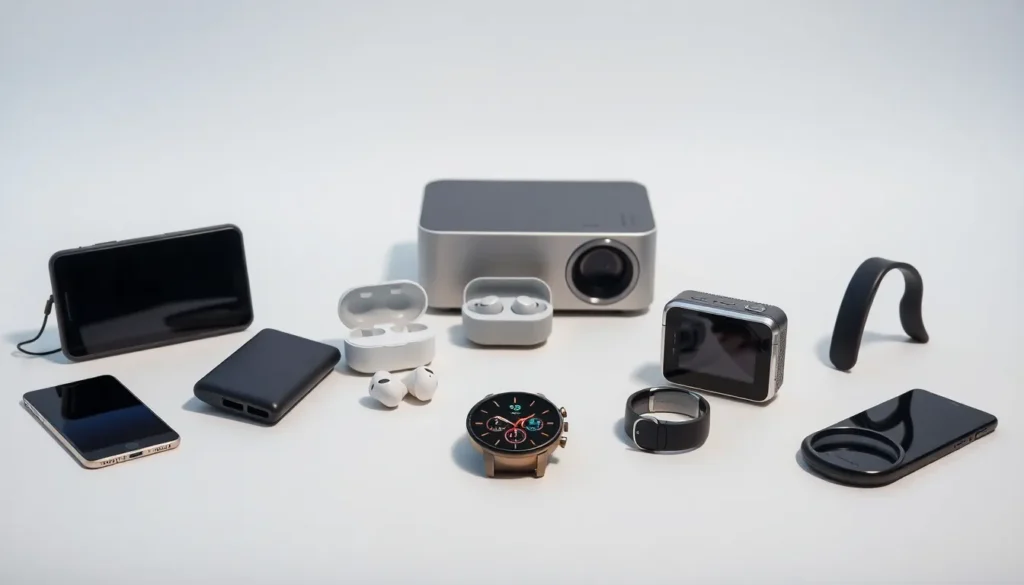

The best gadget reviews help consumers make smart purchasing decisions. They separate marketing hype from real-world performance. But finding trustworthy tech reviews takes more effort than a quick Google search.
Every day, thousands of new gadget reviews hit the internet. Some come from experienced tech journalists. Others come from affiliates pushing products for commissions. The difference between these sources can mean the difference between a purchase you love and one you regret.
This guide explains how to identify reliable gadget reviews, where to find them, and what warning signs to watch for. Readers will learn practical methods to evaluate tech content before spending their hard-earned money.
Table of Contents
ToggleKey Takeaways
- The best gadget reviews include hands-on testing with specific, measurable details rather than vague claims like “great battery.”
- Always check multiple sources (3–5 reviews) before buying to identify consensus opinions and catch issues a single reviewer might miss.
- Trustworthy tech reviewers explain their testing methodology and acknowledge both strengths and weaknesses of a product.
- Established publications like CNET, Wirecutter, and YouTube channels such as MKBHD offer reliable gadget reviews with transparent editorial standards.
- Watch for red flags like missing negatives, launch-day reviews, and vague language—these often signal promotional content rather than honest evaluations.
- Match reviews to your specific use case, since a product deemed “underpowered” by a power user might be perfect for everyday tasks.
What Makes a Gadget Review Trustworthy
A trustworthy gadget review shares several key characteristics. Understanding these elements helps readers filter quality content from promotional fluff.
Hands-On Testing
The best gadget reviews include actual hands-on testing. Reviewers should physically use the product for days or weeks, not just unbox it on camera. Look for specific details about battery life under real conditions, build quality after extended use, and performance across different scenarios.
Generic descriptions like “great battery” mean nothing. Specific claims like “the battery lasted 6 hours with continuous video playback at 50% brightness” show genuine testing.
Transparent Methodology
Credible reviewers explain how they test products. They describe their testing environment, the duration of their evaluation, and what benchmarks they use. This transparency allows readers to understand the context behind conclusions.
For example, a camera review should mention lighting conditions, sample subjects, and comparison devices. Without methodology, readers can’t assess whether the review applies to their situation.
Balanced Perspective
Every gadget has strengths and weaknesses. The best gadget reviews acknowledge both. A review that only praises a product likely has an agenda. Similarly, reviews that only criticize may carry bias against a particular brand.
Trustworthy reviewers compare products against competitors at similar price points. They explain who should buy the product and who should look elsewhere.
Where to Find Reliable Gadget Reviews
Finding reliable gadget reviews requires knowing where to look. Several sources consistently produce quality tech content.
Established Tech Publications
Publications like CNET, The Verge, Wirecutter, and Tom’s Guide employ full-time tech reviewers. These outlets have editorial standards and fact-checking processes. They typically disclose affiliate relationships and maintain separation between advertising and editorial content.
These publications often test products in controlled lab environments. They compare dozens of devices in the same category before making recommendations.
YouTube Tech Channels
YouTube hosts many excellent gadget reviewers. Channels like MKBHD, Dave2D, and Linus Tech Tips have built reputations through years of consistent, honest reviews. Video format lets viewers see products in action and assess build quality visually.
But, YouTube also hosts countless low-quality reviews. Stick to channels with established track records and transparent sponsorship disclosures.
Reddit and Tech Forums
Community platforms offer real user experiences. Subreddits focused on specific product categories contain detailed owner reviews after months of use. These reviews often reveal long-term reliability issues that professional reviews miss.
Forum discussions at places like Head-Fi for audio gear or DPReview for cameras provide deep expertise from enthusiasts. Just remember that individual experiences vary, so look for patterns across multiple posts.
Consumer Reports
Consumer Reports tests products independently without accepting advertising. Their subscriber-funded model eliminates financial conflicts of interest. While their testing methodology can be conservative, their independence makes them valuable for major purchases.
How to Evaluate Gadget Reviews Before Buying
Even reviews from reputable sources require careful evaluation. These strategies help readers extract maximum value from gadget reviews.
Check Multiple Sources
Never rely on a single review. The best gadget reviews sometimes miss issues that others catch. Reading three to five reviews from different sources reveals consensus opinions and highlights areas of disagreement.
If most reviewers praise a feature but one criticizes it, investigate why. That reviewer might have different use cases or higher standards, information that could matter for your decision.
Consider the Reviewer’s Use Case
A professional photographer evaluates cameras differently than a casual user. A power user tests laptops differently than someone who browses the web and checks email.
Match reviews to your intended use. A review calling a laptop “underpowered” for video editing might describe a perfect machine for office work.
Look at Update History
Gadgets change over time through software updates. A phone reviewed at launch might perform differently six months later. Check whether publications update their reviews after major firmware releases.
Some products improve significantly post-launch. Others develop new bugs. Current information matters more than day-one impressions.
Verify Specific Claims
Good gadget reviews include testable claims. When a reviewer states specific battery life, screen brightness, or benchmark scores, those numbers should roughly match other reviews. Large discrepancies suggest testing errors or sample variation.
Common Red Flags in Gadget Reviews
Certain warning signs indicate unreliable gadget reviews. Learning to spot these red flags saves time and prevents poor purchasing decisions.
Affiliate-Heavy Content
Affiliate links aren’t inherently bad, they fund quality content. But reviews that exist primarily to push affiliate sales often lack depth. Watch for reviews that rank products without explaining testing methodology or that recommend expensive options without justification.
Missing Negatives
No product is perfect. Reviews that fail to mention any drawbacks are promotional content, not honest evaluations. The best gadget reviews clearly state limitations, even for products they recommend.
Vague Language
Phrases like “performs well” or “solid build quality” without specifics suggest the reviewer didn’t actually test the product. Quality reviews include concrete details: specific measurements, comparison points, and real-world scenarios.
Launch-Day Reviews
Complex products like smartphones require extended testing. Reviews published on launch day rarely reflect actual usage experience. Be skeptical of comprehensive reviews that appear before the reviewer could reasonably have tested the product thoroughly.
Copied Specifications
Some reviews simply restate manufacturer specifications without independent verification. If a review only mentions features listed on the product page, the reviewer probably hasn’t used the device. Real testing uncovers details manufacturers don’t advertise.