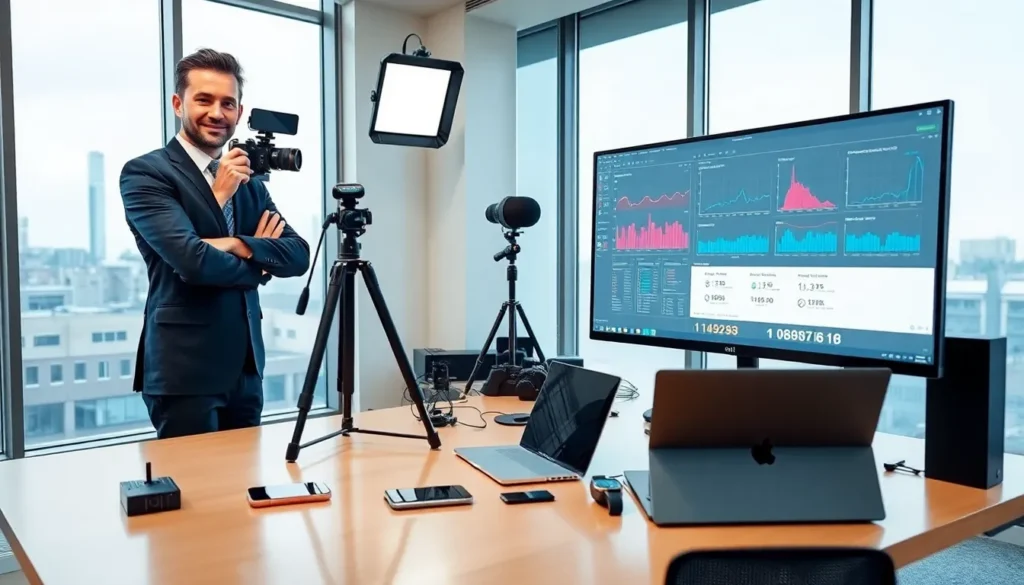

Gadget reviews demand more than opinions. They require precision, consistency, and the right gadget review tools to deliver accurate assessments. Tech enthusiasts who create reviews need equipment that measures performance, captures quality visuals, and produces reliable data. Without proper tools, reviews lack credibility and fail to help consumers make informed decisions.
This guide covers the essential gadget review tools every tech reviewer needs. From hardware testing equipment to photography gear, each category plays a specific role in producing thorough, trustworthy content. Whether someone is starting fresh or upgrading their setup, understanding these tools creates better reviews and builds audience trust.
Key Takeaways
- Gadget review tools provide objective data—like charging speeds, display accuracy, and thermal readings—that build credibility and help consumers make informed decisions.
- Essential hardware testing equipment includes USB power meters, thermal cameras, colorimeters, and calibrated microphones to measure what software cannot.
- Software tools like Geekbench, 3DMark, and CrystalDiskMark generate standardized benchmarks that readers recognize and trust for fair product comparisons.
- Quality photography and video gear—including macro lenses, softbox lighting, and dedicated microphones—transforms technical data into engaging, professional content.
- Budget-conscious reviewers can start with free benchmark apps, refurbished equipment, and DIY lighting solutions while gradually upgrading their gadget review tools over time.
- Using consistent testing methods and identical tools across all products ensures fair comparisons and strengthens audience trust in your reviews.
Why Dedicated Review Tools Matter
Subjective opinions only go so far. Readers want data. They want to know exactly how fast a phone charges, how loud a speaker gets, or how accurate a smartwatch tracks their steps. Gadget review tools provide this objective information.
Dedicated tools separate amateur impressions from professional analysis. A reviewer might feel that a laptop runs hot, but a thermal camera shows precise temperature readings. That difference matters. Numbers build credibility.
Consistency presents another critical factor. Testing every device the same way allows fair comparisons. When a reviewer uses identical gadget review tools across products, audiences trust the results. They know the playing field stays level.
Time efficiency also improves with proper equipment. Automated testing software runs benchmarks while reviewers focus on other tasks. Quality tools streamline workflows and reduce guesswork.
Finally, dedicated tools catch details humans miss. Color accuracy meters detect display issues invisible to the eye. Audio analyzers measure frequency responses beyond what ears perceive. These tools reveal the full picture.
Must-Have Hardware Testing Equipment
Physical testing equipment forms the foundation of any gadget review toolkit. These devices measure what software cannot.
Power and Battery Analyzers
USB power meters rank among the most essential gadget review tools. They measure charging speeds, power draw, and battery capacity with precision. Models like the ChargerLAB KM003C or AVHzY CT-3 display real-time voltage, current, and wattage data.
Thermal Measurement Devices
Infrared thermometers provide quick surface temperature readings. Thermal imaging cameras like FLIR models offer comprehensive heat maps. These tools reveal cooling system effectiveness and identify hot spots during stress tests.
Audio Testing Equipment
A calibrated microphone and sound level meter measure speaker output accurately. Devices like the MiniDSP UMIK-1 capture frequency response data for detailed audio analysis. This equipment transforms subjective sound impressions into measurable results.
Display Analysis Tools
Colorimeters such as the Calibrite ColorChecker measure screen accuracy, brightness, and color gamut. These gadget review tools quantify display quality rather than relying on visual estimates.
Precision Scales and Calipers
Digital scales accurate to 0.01 grams verify manufacturer weight claims. Digital calipers measure device dimensions precisely. Small discrepancies matter to consumers comparing products.
Software and Apps for Comprehensive Reviews
Hardware alone doesn’t complete the picture. Software-based gadget review tools run automated tests and generate standardized benchmarks.
Benchmark Applications
Geekbench measures CPU and GPU performance across platforms. 3DMark tests gaming capability. PCMark evaluates everyday computing tasks. These applications produce scores that readers recognize and compare easily.
For mobile devices, AnTuTu and GFXBench provide comprehensive performance data. Battery testing apps like AccuBattery track charge cycles and capacity degradation over time.
Storage Speed Testing
CrystalDiskMark on Windows and Blackmagic Disk Speed Test on Mac measure read and write speeds. These gadget review tools verify SSD and storage performance claims.
Network Analysis Software
WiFi analyzer apps map signal strength and identify interference. Speed test applications measure real-world internet performance. These tools help reviewers assess router and networking equipment accurately.
Screen Recording and Analysis
OBS Studio captures gameplay and interface demonstrations. Slow-motion analysis software measures display response times and input lag. Frame rate monitoring tools like CapFrameX track gaming performance in real time.
Free options exist for most testing categories. But, premium software often provides more detailed data and professional reporting features.
Photography and Video Gear for Quality Content
Technical data needs visual support. Quality photography and video equipment showcases gadgets effectively and keeps audiences engaged.
Camera Equipment
A mirrorless or DSLR camera with macro capability captures product details sharply. Entry-level options like the Sony ZV-E10 or Canon EOS M50 Mark II work well for beginners. These cameras handle both photos and video production.
Macro lenses reveal texture, build quality, and fine details. A 50mm or 60mm macro lens suits most gadget review tools photography needs.
Lighting Setup
Softbox lights eliminate harsh shadows and create even illumination. LED panel lights offer adjustable color temperature and brightness. A three-point lighting setup produces professional results without excessive cost.
Light tents or photo boxes work excellently for smaller gadgets. They provide controlled, consistent lighting environments.
Audio Recording Equipment
Clear narration requires quality microphones. Lavalier mics capture voice during demonstrations. Shotgun microphones work well for desk-based reviews. USB condenser microphones like the Audio-Technica AT2020 deliver excellent voice quality for voiceovers.
Tripods and Stabilization
Sturdy tripods ensure stable shots. Overhead camera rigs capture top-down product views. Gimbals smooth handheld footage during unboxing and demonstration sequences.
Backgrounds matter too. Clean backdrops or textured surfaces keep focus on the products being reviewed.
Building Your Review Toolkit on a Budget
Professional gadget review tools don’t require massive investments. Smart purchasing decisions stretch limited budgets effectively.
Prioritize Essential Items First
Start with a USB power meter and basic benchmark software. These two items cover most initial testing needs. Add specialized equipment as review topics expand.
Buy Used Equipment
Refurbished cameras and lightly used audio gear cost significantly less than new items. Marketplace platforms and certified refurbished programs offer quality options at reduced prices.
Use Free Software
Many excellent gadget review tools cost nothing. OBS Studio, Geekbench (basic version), and various benchmark apps provide professional-grade testing without subscription fees.
DIY Solutions Work
Homemade light boxes using white fabric and LED strips produce adequate results. Phone cameras with proper lighting capture decent product photos. Creativity compensates for budget limitations.
Invest Gradually
Upgrade one category at a time. Replace smartphone photography with a dedicated camera first. Then improve audio equipment. Finally, add specialized testing hardware.
Consider Multi-Purpose Tools
A smartphone with a quality camera serves multiple functions. It runs benchmark apps, captures photos, records video, and measures sound levels. Multi-purpose gadget review tools maximize value per dollar spent.
Budget constraints shouldn’t prevent quality reviews. Resourceful reviewers produce excellent content with modest equipment.