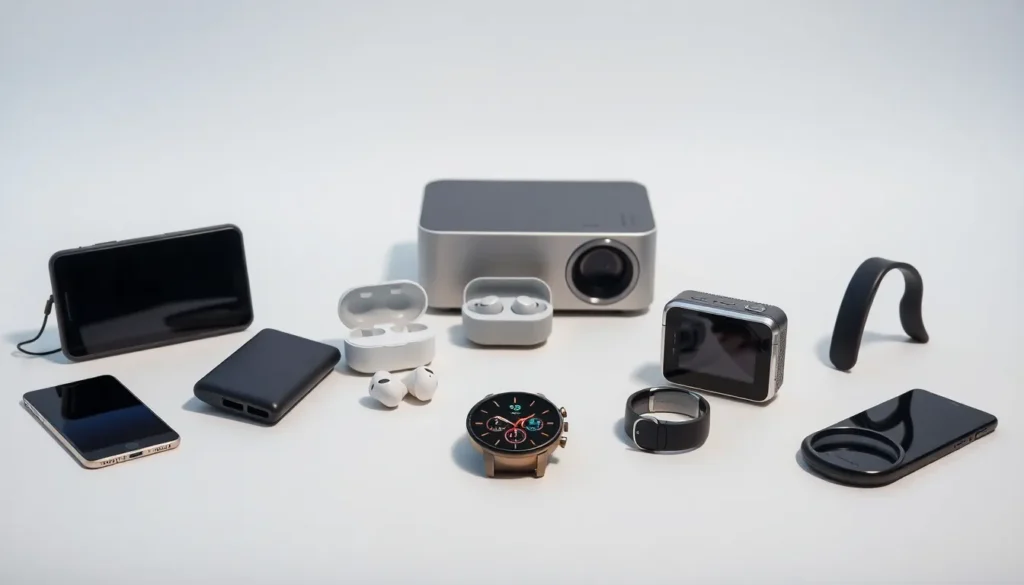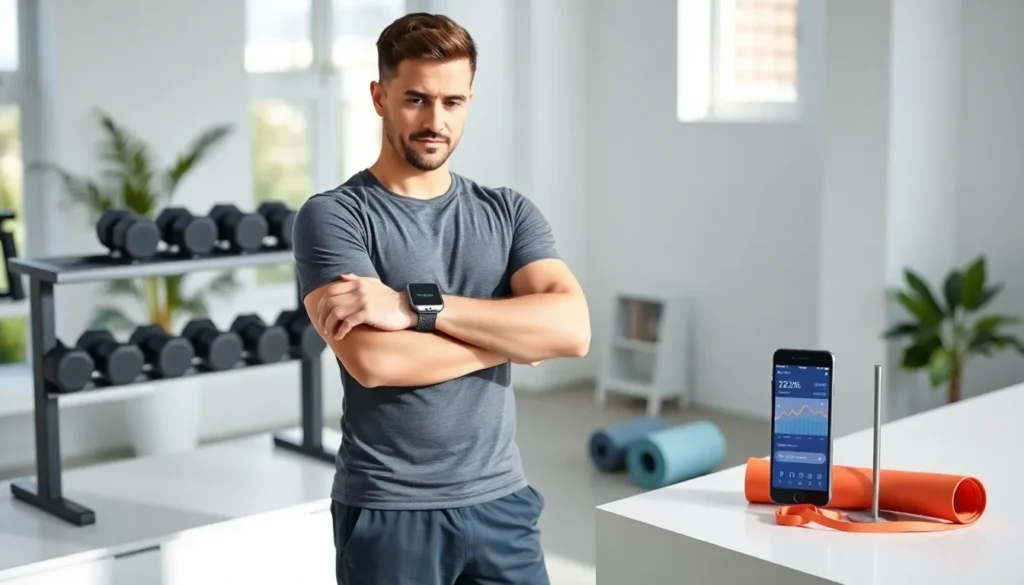

Men’s wellness tools have become essential for anyone serious about improving their health. From fitness trackers to meditation apps, these resources help men take control of their physical and mental well-being. The right tools can transform vague health goals into measurable progress.
Many men struggle to maintain consistent wellness habits. They start strong, then lose momentum. The solution often lies in using the right combination of tools that fit their lifestyle and goals. This guide covers the most effective men’s wellness tools available today, resources that deliver real results without unnecessary complexity.
Table of Contents
ToggleKey Takeaways
- Men’s wellness tools like fitness trackers, meditation apps, and smart scales transform vague health goals into measurable, trackable progress.
- Recovery tools such as massage guns and foam rollers are essential for preventing injury and achieving long-term fitness results.
- Mental wellness resources including meditation apps and online therapy platforms help men manage stress and build emotional resilience.
- Nutrition and sleep tracking apps reveal hidden patterns in eating and rest habits that directly impact physical and mental performance.
- The most effective men’s wellness tools are the ones used consistently—start with one or two and expand as habits form.
- Integrate multiple tools through platforms like Apple Health or Google Fit to create a complete picture of your health without manual data entry.
Physical Health Tools for Daily Fitness
Physical fitness forms the foundation of men’s wellness. The right tools make exercise more effective and easier to maintain.
Fitness Trackers and Smartwatches
Devices like the Apple Watch, Fitbit, and Garmin watches track heart rate, steps, and calories burned. They provide real-time feedback during workouts and store historical data. Men can monitor their progress over weeks and months, which builds motivation.
These men’s wellness tools also track recovery metrics. Heart rate variability (HRV) measurements show how well the body recovers between workouts. This data helps prevent overtraining and injury.
Home Gym Equipment
Resistance bands, kettlebells, and adjustable dumbbells offer versatile workout options at home. A pull-up bar and yoga mat cost little but enable dozens of exercises. Many men find that having equipment at home removes the friction of traveling to a gym.
Workout Apps
Apps like Strong, JEFIT, and Nike Training Club provide structured workout programs. They track sets, reps, and weights. Some include video demonstrations to ensure proper form. These apps turn smartphones into personal trainers.
Recovery Tools
Foam rollers, massage guns, and stretching straps speed up muscle recovery. The Theragun and Hypervolt are popular massage gun options. Regular use reduces muscle soreness and improves flexibility. Men who prioritize recovery see better long-term results from their training.
Mental Wellness and Stress Management Resources
Mental health matters as much as physical health. Men’s wellness tools for the mind help manage stress, improve focus, and build emotional resilience.
Meditation Apps
Headspace and Calm offer guided meditation sessions ranging from 3 to 30 minutes. These apps teach breathing techniques and mindfulness practices. Studies show that regular meditation reduces cortisol levels and improves sleep quality. Even 10 minutes daily can produce noticeable benefits.
The Waking Up app by Sam Harris takes a more philosophical approach. It combines meditation instruction with lessons on consciousness and well-being.
Journaling Tools
Digital journals like Day One and Notion help men process thoughts and track moods. The Five Minute Journal app provides morning and evening prompts. Writing clarifies thinking and reduces anxiety. Many men find that journaling helps them identify patterns in their mental state.
Therapy Platforms
Online therapy services like BetterHelp and Talkspace connect men with licensed therapists. These platforms remove barriers to mental health care. Sessions happen via video, phone, or text. Men who previously avoided therapy often find these options more accessible.
Stress-Tracking Wearables
Devices like the Oura Ring and Whoop band measure stress through physiological markers. They track sleep, HRV, and body temperature. This data reveals how lifestyle choices affect mental state. Men can see exactly how stress impacts their bodies.
Nutrition and Sleep Tracking Solutions
Diet and sleep drive physical and mental performance. The best men’s wellness tools in this category simplify tracking and provide actionable insights.
Calorie and Macro Tracking Apps
MyFitnessPal remains the most popular food logging app. It contains a database of millions of foods and integrates with fitness trackers. Cronometer offers more detailed micronutrient tracking. These apps reveal eating patterns that often go unnoticed.
Carbon Diet Coach and MacroFactor use algorithms to adjust calorie targets based on actual weight changes. They remove the guesswork from nutrition planning.
Meal Planning Services
Apps like Eat This Much generate meal plans based on calorie and macro goals. They create shopping lists and suggest recipes. This automation saves time and reduces decision fatigue around food.
Sleep Tracking Devices
The Oura Ring tracks sleep stages with clinical-grade accuracy. It measures REM sleep, deep sleep, and time awake. The data helps men identify factors that disrupt their rest.
Sleep tracking features in smartwatches provide similar insights. The Apple Watch and Fitbit analyze sleep patterns and suggest improvements. Quality sleep improves testosterone levels, cognitive function, and workout recovery.
Smart Scales
Devices like the Withings Body+ measure weight, body fat percentage, and muscle mass. They sync data to smartphone apps for easy tracking. These men’s wellness tools show whether weight changes come from fat loss or muscle gain.
Building a Personalized Wellness Routine
The most effective approach combines multiple men’s wellness tools into a cohesive system. Here’s how to build a routine that works.
Start With Clear Goals
Define specific targets before choosing tools. Someone focused on fat loss needs different resources than someone building muscle. Goals guide tool selection and prevent overwhelm.
Choose Tools That Integrate
Many wellness apps and devices share data with each other. Apple Health, Google Fit, and Samsung Health serve as central hubs. A fitness tracker can send workout data to a nutrition app, which adjusts calorie recommendations accordingly.
This integration creates a complete picture of health without manual data entry.
Focus on Consistency Over Perfection
The best men’s wellness tools are the ones that get used regularly. A simple pedometer worn daily beats an expensive smartwatch left in a drawer. Start with one or two tools and add more as habits form.
Review Data Weekly
Numbers mean nothing without reflection. Set aside time each week to review tracked data. Look for patterns and connections. Did poor sleep follow stressful days? Did consistent workouts improve mood scores? These insights drive better decisions.
Adjust Based on Results
Wellness tools provide feedback loops. If something isn’t working, the data will show it. Men should feel free to swap tools or change approaches based on what the numbers reveal.