
Men’s wellness trends 2026 are shaping up to be more personal, data-driven, and holistic than ever before. The days of fitness being purely about lifting heavy and eating clean are fading. Today’s approach blends physical health with mental clarity, sleep science, and gut-brain connections.
This shift isn’t accidental. Men are living longer, working differently, and facing new stressors. They want solutions that fit their lives, not generic advice that ignores individual needs. The wellness industry has responded with smarter tools, better research, and programs that treat men as whole people rather than just gym-goers.
So what should men expect in 2026? From AI-powered wearables to mental health breakthroughs, the coming year brings practical innovations worth knowing about. Here’s what’s trending and why it matters.
Table of Contents
ToggleKey Takeaways
- Men’s wellness trends 2026 prioritize personalized, data-driven health through AI-powered wearables that track recovery, stress, and nutrition responses.
- Mental health is becoming central to men’s wellness, with therapy, mindfulness apps, and community programs gaining mainstream acceptance.
- Functional fitness now outpaces aesthetics-only training, emphasizing real-world movement patterns and injury prevention.
- Recovery tools like cold plunge tubs, percussion devices, and sleep tracking are essential components of modern fitness routines.
- Gut health and personalized nutrition—including DNA testing and targeted supplementation—are replacing generic diet advice.
- Sleep optimization is now treated as seriously as diet and exercise, with men using data and supplements to improve rest quality.
Personalized Health Through Wearable Technology
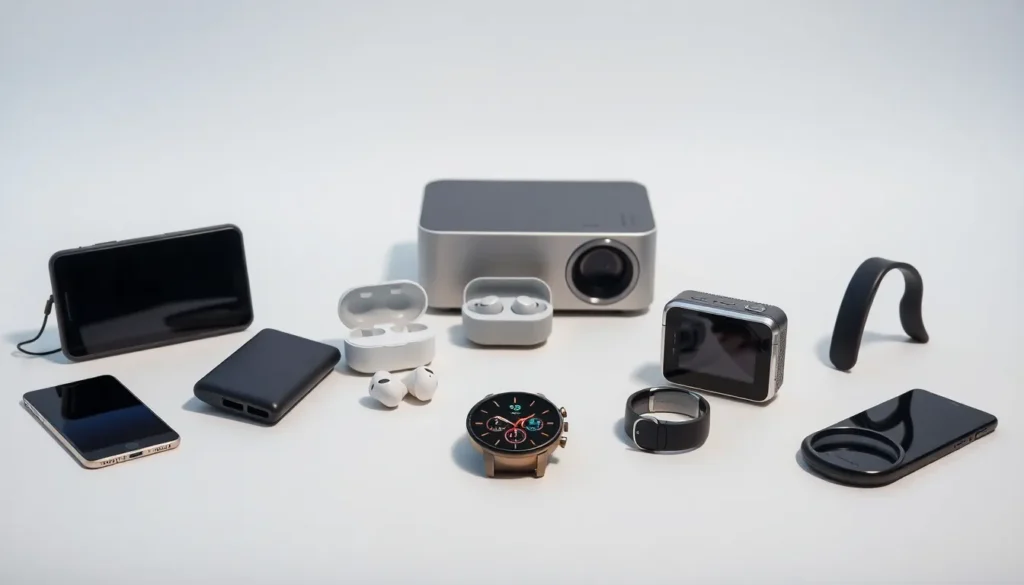
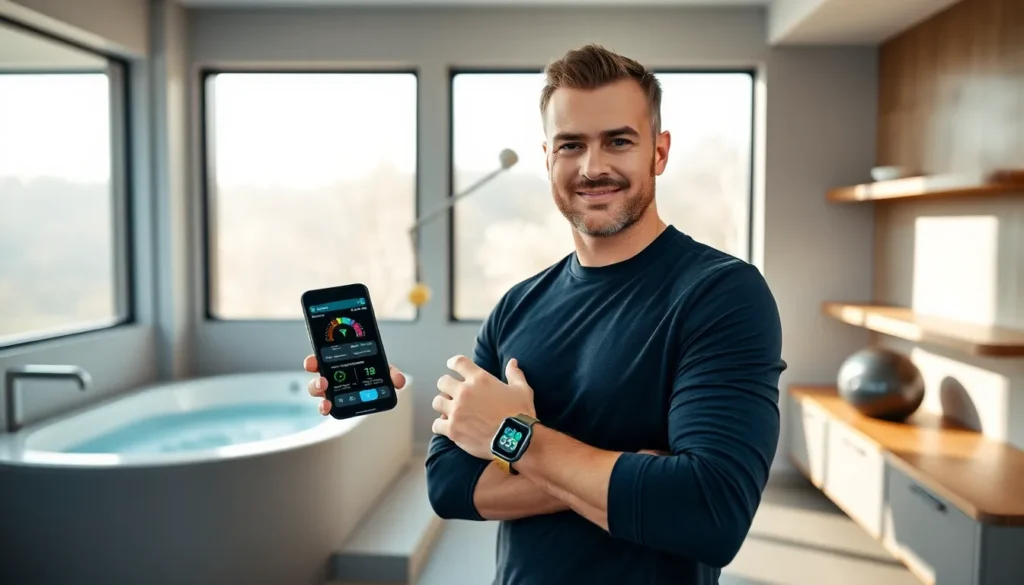
Wearable technology has evolved far beyond step counting. In 2026, men’s wellness trends include devices that track heart rate variability, blood oxygen levels, stress markers, and even glucose responses in real time.
Brands like Whoop, Oura, and Apple continue pushing boundaries. Their newest devices offer personalized recommendations based on daily data. A man might receive a morning notification suggesting he skip intense training because his recovery scores are low. Or he could get diet suggestions based on how his body responded to yesterday’s meals.
The real game-changer? AI integration. These wearables now learn individual patterns over weeks and months. They predict energy crashes before they happen. They identify sleep disruptions tied to specific behaviors. This level of personalization was science fiction five years ago.
Men are embracing this tech because it removes guesswork. Instead of following generic programs, they get feedback specific to their bodies. The data doesn’t lie, and that appeals to men who want measurable progress.
Expect continuous glucose monitors to gain mainstream traction in 2026. Originally designed for diabetics, these devices now help healthy men understand how food choices affect energy, mood, and performance throughout the day.
Mental Health Takes Center Stage
Men’s wellness trends 2026 place mental health front and center. The stigma around therapy and emotional support continues to fade, especially among younger generations.
Statistics tell the story: men are finally seeking help at higher rates. Telehealth platforms report significant increases in male users booking therapy sessions. Apps focused on anxiety, depression, and stress management see growing male demographics.
Workplace wellness programs now include mental health days and counseling benefits. Companies recognize that burned-out employees cost money. Men benefit from this corporate shift toward psychological support.
Mindfulness practices are gaining ground too. Meditation apps like Headspace and Calm have developed content specifically for men. These programs address common male concerns, work pressure, relationship stress, anger management, without feeling overly soft or preachy.
The conversation around men’s mental health has also expanded to include loneliness. Social isolation affects men disproportionately, particularly after major life transitions like divorce or retirement. Men’s wellness trends 2026 include community-building initiatives and group programs designed to foster genuine connection.
This cultural shift matters. Men who address mental health proactively tend to live longer, maintain better relationships, and perform better professionally.
Functional Fitness and Recovery-Focused Training
The gym culture is changing. Men’s wellness trends 2026 favor functional fitness over aesthetics-only training. Men want bodies that perform well in daily life, not just look good on Instagram.
Functional fitness focuses on movement patterns humans actually use. Squatting, hinging, pushing, pulling, rotating, and carrying. These exercises build strength that translates to real activities: playing with kids, carrying groceries, staying injury-free during weekend sports.
Recovery has become equally important. Smart men now understand that muscles grow during rest, not during workouts. This realization has boosted interest in recovery tools and practices.
Percussion therapy devices like Theragun and Hypervolt are standard equipment in many home gyms. Cold plunge tubs and contrast therapy (alternating hot and cold exposure) have moved from elite athlete circles into mainstream adoption. Stretching classes and mobility work attract men who previously considered them unnecessary.
Sleep tracking integrates with fitness programming. Recovery-focused apps adjust workout intensity based on sleep quality and stress levels. Men follow periodized programs that include scheduled deload weeks.
This balanced approach reduces injuries and extends athletic longevity. Men in their 40s, 50s, and beyond stay active because they train smarter, not just harder.
Holistic Nutrition and Gut Health
Nutrition advice for men has grown more sophisticated. Men’s wellness trends 2026 move beyond simple protein counting toward holistic approaches that consider gut health, inflammation, and metabolic function.
The gut microbiome receives particular attention. Research links gut bacteria to mood, immunity, cognitive function, and even body composition. Men are adding fermented foods, prebiotics, and probiotics to their diets based on this science.
Personalized nutrition gains momentum. DNA testing and blood panel analysis help men understand their individual responses to different foods. One man might thrive on higher carbohydrates while another performs better with more fat. Cookie-cutter diets are losing appeal.
Anti-inflammatory eating patterns attract interest. Men concerned about long-term health reduce processed foods, sugar, and seed oils. They increase omega-3 fatty acids, colorful vegetables, and quality proteins.
Intermittent fasting remains popular but more nuanced. Men experiment with different fasting windows to find what works for their schedules and goals. Time-restricted eating fits busy lifestyles while offering metabolic benefits.
Supplementation becomes more targeted. Instead of taking dozens of pills, men focus on specific deficiencies identified through testing. Vitamin D, magnesium, and omega-3s remain staples, but men choose supplements based on data rather than marketing.
Sleep Optimization as a Health Priority
Sleep has emerged as a pillar of men’s wellness trends 2026. Research consistently shows that poor sleep undermines every other health effort. Men who sleep badly gain fat, lose muscle, think slower, and age faster.
This message is getting through. Men now treat sleep as seriously as diet and exercise. They track sleep stages through wearables and make adjustments based on data.
Sleep hygiene practices include consistent bedtimes, dark bedrooms, cool temperatures, and limited screen exposure before bed. Blue light blocking glasses sell well. So do blackout curtains and white noise machines.
Sleep supplements have expanded beyond melatonin. Magnesium glycinate, L-theanine, and apigenin appear in popular sleep stacks. Men experiment with these compounds to improve sleep quality without pharmaceutical side effects.
Sleep apnea screening becomes more common. This condition affects millions of men and often goes undiagnosed. Home testing kits make detection easier. Treatment with CPAP machines or oral appliances transforms quality of life for affected men.
The cultural shift matters most. Bragging about minimal sleep is out. Men now recognize that adequate rest signals discipline, not weakness. High performers prioritize recovery because they understand the competitive advantage it provides.